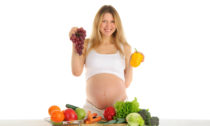
Nothing in life is more exciting than expecting a new baby! Almost everyone had heard that you need to “eat for two”, but this old adage causes many new mothers to overeat and gain unwanted pounds.
Many mothers-to-be are worried about what their unborn baby consumes and whether they should be worried about the food that they eat. While there is no “guarantee” that the unhealthy food that you eat during pregnancy will negatively affect your baby, there are some foods that must be avoided or eaten in moderation. What are these foods to avoid?
The first food that you need to keep an eye on is alcohol. Alcohol can cause birth defects, which can harm the unborn child. For that reason, you should cut out alcohol completely during your pregnancy.
But there are more healthy diet rules for expecting mothers that will be discussed in this article.
The Importance of Balanced Nutrition for Mother and Baby
Fostering Optimal Development
A balanced diet is crucial for ensuring the health and well-being of both the expecting mother and her baby. During pregnancy, the body’s nutritional needs increase significantly to support fetal development and the changes happening in the mother’s body. A healthy diet helps provide the energy and nutrients needed for proper growth, brain development, and immune system function.
Supporting Both Physical and Emotional Health
Adequate nutrition helps the mother maintain her own health and feel her best throughout the pregnancy. It can reduce the risk of pregnancy-related complications like gestational diabetes, preeclampsia, and anemia. Eating a variety of nutrient-dense foods supports the mother’s energy levels, emotional well-being, and overall physical health, which is essential for a successful pregnancy.
Key Nutrients for Mother and Baby
The baby’s development depends on the nutrients provided by the mother’s diet. For instance, folic acid helps prevent neural tube defects, while calcium strengthens the baby’s bones and teeth. Protein is important for growth, and iron helps in the production of red blood cells, preventing anemia in both the mother and baby. These nutrients are vital for the growth and functioning of the baby’s organs, tissues, and brain.
Aiming for a Well-Balanced Plate
Expecting mothers should focus on including a variety of foods from different food groups. This means consuming plenty of fruits, vegetables, whole grains, lean proteins, and healthy fats. Incorporating a wide range of vitamins and minerals into daily meals ensures the body gets the nutrients it needs for a healthy pregnancy.
Balanced nutrition plays a vital role in promoting the health of both the expecting mother and her baby. By consuming a wide range of nutrient-dense foods, mothers can support their baby’s development and their own well-being throughout the pregnancy.
Hydration: A Key to a Healthy Pregnancy
The Importance of Staying Hydrated
Proper hydration is essential for the overall health of both the expecting mother and her baby. During pregnancy, the body experiences increased blood volume and fluid needs to support the growing baby. Staying hydrated helps maintain amniotic fluid levels, regulate body temperature, and prevent dehydration, which can lead to complications like fatigue, headaches, and urinary tract infections.
Supporting Circulation and Nutrient Transport
Drinking enough water helps in the efficient circulation of nutrients and oxygen to the baby. Blood volume increases during pregnancy, and proper hydration ensures that the body has enough fluid to transport nutrients effectively. This is vital for fetal growth and development. Dehydration, on the other hand, can reduce the efficiency of this process and affect the health of both mother and baby.
Preventing Common Pregnancy Discomforts
Adequate hydration can help alleviate common pregnancy discomforts such as constipation and swelling. Drinking enough water helps keep the digestive system functioning properly, reducing the risk of constipation, which is a common issue during pregnancy. Additionally, hydration helps reduce swelling in the hands, feet, and legs, as it supports proper circulation and kidney function.
How Much Water Should You Drink?
Expecting mothers should aim to drink at least 8 to 10 cups of water a day, though this can vary depending on individual needs. The amount may increase with physical activity, hot weather, or if the mother is breastfeeding. It’s important to listen to the body and drink when thirsty, but also ensure that fluid intake is consistent throughout the day.
Staying hydrated is crucial for maintaining a healthy pregnancy. By drinking enough water, mothers can support their body’s increased fluid needs, ensure proper nutrient transport to the baby, and alleviate common pregnancy discomforts.
Top 5 Healthy Diet Rules for Pregnancy and Childbirth
What you eat during the 9 months of pregnancy can affect your baby for the rest of their lives, so be sure to choose the healthy diet!
Why? Because you need a healthy pregnancy, easy delivery, and a happy baby.
1. Get Your Folic Acid On!
You will need at least 600 micrograms of this important B vitamin once you discover that you are indeed pregnant. For extra insurance, be sure you are consuming at least 400 micrograms while you are trying to become pregnant. Folic acid can not only reduce the risk of early delivery. But it reduces neural defects by as much as 70 percent!
2. Make Fiber a Focal Point of Every Meal
One of the “joys” of pregnancy is painful hemorrhoids and constipation. These two issues tend to go hand in hand, meaning that if you have one, you likely have the other. You can avoid most of this unpleasantness by eating a diet high in fruits, whole grains, and vegetables, especially high fiber vegetables such as lentils, peas, and broccoli. This is when a healthy diet can help prevent hemorrhoids.
3. Make Iron Your New Best Friend
Your need for iron almost doubles to a whopping 30 mg each day to support you and your new baby. Back in high school, you might remember your science teacher telling you that iron was the “truck” that transported oxygen to the body. Both you and your baby can benefit from an increase in iron. Don’t rely on pills that tend to cause constipation, rather, get iron from foods such as liver, meat, fish, eggs, and dried fruit.
4. Drink Your Dairy
Milk really does do a body good and calcium is the main reason to get more dairy products in your diet. Both you and your baby need calcium for strong bones and teeth, as well as for nerves to function as they should and for a normal heartbeat. Getting 4 servings of dairy each day and add some calcium-rich foods to your daily diet, such as almonds, cheese, dark leafy greens, and fish.
5. Vitamin D – It’s Free!
This one goes hand in hand with calcium. Your body absorbs more calcium when you have the proper levels of vitamin D. This means that baby’s teeth and bones will develop properly. You need about 600 IU’s of this vitamin, every day. Foods that are high in vitamin D include fatty fish, dairy products that are fortified with vitamin D, and eggs. Alternatively, there’s a reason why vitamin D is called the sunshine vitamin: our bodies convert sunlight into vitamin D! Free is a pretty cool word, so go outside and get 15 to 30 minutes of beautiful sunlight on your bare skin.
This list is not all-inclusive, and you should always take the vitamins suggested by your doctor. These are called prenatal vitamins. Always consult your doctor before you make any changes to your diet to protect the health of you and your unborn child.
The Impact of a Healthy Diet on Labor and Delivery
Boosting Energy Levels for Labor
A healthy diet before and during pregnancy can help increase energy levels, which is crucial for labor and delivery. The body undergoes significant physical stress during labor, and having enough energy reserves can help the mother stay strong and focused. Nutrient-rich foods, especially those high in carbohydrates and proteins, provide the sustained energy needed for long hours of labor.
Reducing the Risk of Complications
Eating a balanced diet reduces the likelihood of complications during labor and delivery. Proper nutrition supports the body in maintaining a healthy weight, which can reduce the risks of cesarean sections, preterm labor, and gestational diabetes. Nutrients like calcium and magnesium also help with muscle function, which can ease the physical demands of labor. Proper hydration ensures that the body’s muscles and joints function smoothly during contractions, making the process more manageable.
Strengthening the Immune System
A well-nourished body is better equipped to fight infections, which is essential for both the mother and baby during labor. A strong immune system helps reduce the risk of infections in the birthing process, such as urinary tract infections, which are common during pregnancy. Nutrients like vitamin C, zinc, and probiotics support immune function, helping to keep both mother and baby healthy.
Enhancing Postpartum Recovery
Good nutrition doesn’t just impact labor—it also aids in postpartum recovery. After delivery, the body needs nutrients to heal and regain strength. A well-balanced diet promotes faster healing, restores energy levels, and supports breastfeeding. Protein, iron, and vitamin C are particularly important for wound healing and the production of breast milk.
A healthy diet plays an important role in preparing the body for labor and delivery. By fueling the body with essential nutrients, expecting mothers can experience a smoother labor process, reduce the risk of complications, and recover more quickly afterward.
Supplements: When Are They Necessary?
Understanding the Role of Supplements
Supplements can play a key role in filling nutritional gaps during pregnancy. While a balanced diet should provide most of the essential nutrients, sometimes it can be difficult to meet all the nutritional needs through food alone. Certain vitamins and minerals, such as folic acid, iron, and calcium, are especially important during pregnancy and may require supplementation if dietary intake is insufficient.
Essential Supplements During Pregnancy
Folic acid is one of the most critical supplements for expecting mothers. It helps prevent neural tube defects, which are serious birth defects affecting the brain and spinal cord. Doctors typically recommend taking a folic acid supplement before conception and during the early stages of pregnancy. Additionally, iron supplements are commonly prescribed to prevent anemia, especially as iron needs increase during pregnancy to support increased blood volume.
Calcium and vitamin D are also vital for both the mother’s and baby’s health. Calcium supports the development of the baby’s bones and teeth, while vitamin D helps the body absorb calcium. If the mother’s diet does not provide enough of these nutrients, supplementation may be necessary to ensure optimal fetal development and maintain the mother’s bone health.
When to Consider Supplementation
It is important to consult with a healthcare provider before starting any supplements. Some women may need additional supplements if they have dietary restrictions, such as being vegetarian or vegan, or if they are carrying multiples, which increases nutrient needs. Healthcare providers may recommend prenatal vitamins that combine these essential nutrients in the proper proportions, tailored to the specific needs of the mother.
Over-Supplementation Risks
Taking too many supplements can be harmful. Overuse of certain vitamins, like vitamin A, can lead to toxicity and harm fetal development. It is always best to take supplements under medical supervision to avoid exceeding recommended doses.
Supplements are often necessary to ensure a healthy pregnancy, especially when dietary intake is insufficient. By focusing on essential nutrients and consulting with a healthcare provider, expecting mothers can make informed decisions about supplementation.
Conclusion
A Balanced Diet for a Healthy Pregnancy
Following the top healthy diet rules is essential for the well-being of both the expecting mother and her baby. From providing vital nutrients for the baby’s development to supporting the mother’s health and energy levels, a balanced diet lays the foundation for a smooth pregnancy. Ensuring proper hydration, consuming nutrient-dense foods, and supplementing where necessary can help prevent complications and promote overall wellness.
The Impact on Labor, Delivery, and Recovery
A healthy diet can also have a lasting impact on labor, delivery, and postpartum recovery. Well-nourished bodies are better equipped to handle the demands of labor, reducing the likelihood of complications. Proper nutrition supports energy levels during labor and speeds up recovery after delivery. It also enhances breastfeeding, helping new mothers regain strength and health more quickly.
Supplementation: When It’s Needed
While a balanced diet provides most of the necessary nutrients, supplements may be required in some cases. Folic acid, iron, calcium, and vitamin D are essential for pregnancy and may need to be added through supplementation. Consulting with a healthcare provider ensures that the right supplements are taken in the proper amounts to meet the specific needs of the mother and baby.
Final Thoughts
By focusing on these key diet rules, expecting mothers can give themselves and their babies the best start in life. Maintaining a healthy diet throughout pregnancy supports fetal development, strengthens the mother’s body, and sets the stage for a positive birth experience. Through balanced nutrition, proper hydration, and careful supplementation, a healthy pregnancy can be achieved, ensuring a smooth transition to motherhood.