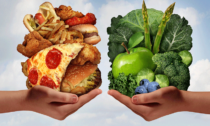
Let’s face it. Fast food and junk foods, such as potato chips, cookies, and candy taste pretty darn good! There is no denying that fast foods or junk foods make our mouths and brains happy, but our health and waistline? Not so much.
By the time a person reaches their teens, they have a pretty good idea what is healthy for them and what isn’t:
French fries: bad. Apples: good.
However, to really understand some of the major differences, sometimes things need to be spelled out in a bit more detail than “bad and good”.
Understanding Fast Food and Healthy Food
Fast food and healthy food differ significantly in their ingredients, preparation, and impact on health. Fast food is designed for convenience, often prepared quickly and sold at low prices. It usually contains high levels of salt, sugar, unhealthy fats, and preservatives. In contrast, healthy food focuses on nutrient density, including fresh fruits, vegetables, whole grains, lean proteins, and minimally processed ingredients. Choosing between the two can affect not only physical health but also mental well-being, energy levels, and long-term lifestyle outcomes.
The popularity of fast food has grown due to busy schedules and accessibility. Many people rely on fast food for quick meals during workdays, school, or travel. Fast food chains are widespread, making them a convenient option for families, students, and professionals. However, the convenience comes with hidden costs, including potential negative effects on overall health, energy balance, and long-term well-being.
Health Implications
Fast food consumption is linked to a variety of health concerns. High-calorie meals with low nutritional value can contribute to weight gain, obesity, high blood pressure, diabetes, and heart disease. Unhealthy fats, excessive sugar, and sodium intake can affect metabolism, cardiovascular health, and hormone balance. Over time, regular consumption of fast food increases the risk of chronic illnesses, reducing quality of life and life expectancy.
Healthy food provides essential nutrients needed for the body to function optimally. Vitamins, minerals, fiber, and antioxidants from fruits, vegetables, and whole grains support digestion, immunity, brain function, and energy production. Eating nutrient-dense meals can prevent deficiencies, maintain healthy weight, and reduce the risk of chronic diseases.
Cultural and Lifestyle Factors
Food choices are influenced by cultural, social, and economic factors. Fast food is often marketed as affordable and convenient, while healthy food is sometimes perceived as expensive or time-consuming. Social habits, family routines, and peer influence also play a role in dietary decisions. Understanding these factors helps explain why many people rely on fast food despite knowing its risks.
Making informed food choices requires awareness of both benefits and risks. Comparing fast food with healthy alternatives reveals not only the immediate differences in taste and convenience but also long-term effects on health, finances, and lifestyle. Awareness can motivate gradual changes toward a more balanced and nutritious diet.
Fast food and healthy food differ in convenience, nutrition, and long-term impact. Understanding these differences is essential for making informed decisions that support overall health, energy, and quality of life.
Hidden Ingredients in Fast Food
Preservatives and Additives
Fast food often contains preservatives and additives that extend shelf life but may harm health. These substances include sodium benzoate, BHA, BHT, and artificial colorings. While they prevent spoilage, they can trigger allergic reactions, digestive issues, and even affect hormone balance over time. Processed meats like hot dogs and chicken nuggets frequently contain nitrates and nitrites, which may increase cancer risk when consumed regularly.
Many fast foods also rely on flavor enhancers. Monosodium glutamate (MSG) is widely used to intensify taste. While safe in moderate amounts, excessive intake may cause headaches, sweating, or digestive discomfort in sensitive individuals. Hidden sugars and syrups are often added to sauces, dressings, and buns, increasing calorie content without providing nutrition.
High Sodium Content
Sodium is another hidden component that can negatively impact health. Fast food items, even those that seem plain, can contain high levels of salt. Burgers, fries, and fried chicken often exceed daily recommended limits in a single meal. Excess sodium contributes to high blood pressure, water retention, and kidney stress. People who frequently consume fast food are at higher risk of cardiovascular diseases and stroke due to cumulative sodium exposure.
Unhealthy Fats
Trans fats and hydrogenated oils are common in fast food preparation. These fats improve texture, flavor, and shelf life but pose serious health risks. Trans fats increase bad cholesterol (LDL) while lowering good cholesterol (HDL), raising the risk of heart disease. They also promote inflammation and may contribute to insulin resistance. Fried items, pastries, and processed snacks are the main sources of these fats in fast food menus.
Hidden Sugars
Fast food often contains hidden sugars in unexpected items. Sauces, dressings, bread, and even beverages can carry large amounts of added sugar. Excess sugar intake can cause weight gain, energy spikes followed by crashes, and long-term risk of type 2 diabetes. Many consumers underestimate sugar content because it is not always obvious from the appearance or taste of the food.
Fast food hides multiple ingredients that can harm health when consumed frequently. Preservatives, additives, high sodium, unhealthy fats, and hidden sugars all contribute to long-term health risks. Being aware of these hidden components can help individuals make informed choices and reduce the negative impact of fast food on overall well-being.
Healthy Food VS Fast Foods or Junk Foods
Here are some of the detailed facts about comparison of healthy foods vs. junk foods or fast food that most people do not talk about.
- Improved Brain Function: Most people are unaware of how important a healthy diet is when it comes to their cognitive function. Omega-3 fatty acids, which our bodies cannot make on their own and must be consumed through our diet, are not found in hamburgers or cookies. Omega-3’s are one of the most important essential acids for different things, including: healthy brain function, improved memory, and increased concentration. You can get Omega-3’s from fatty fish, such as tuna or salmon, as well as chia seeds, walnuts, hemp seeds, and oysters.
- Long Term Energy Levels: Studies have shown that a more natural, healthy diet leads to improved sleep and longer-term energy levels. If you find that you get that sluggish, run down feeling in the afternoon, it could be due to your diet. Try healthy snacks that are known to keep energy levels high, including citrus fruits, sardines or anchovies, and eggs.
- Overweight or Obesity: If you have seen the movie Super Size Me, then you are probably already aware of just how bad fast food can be. This doesn’t mean that the occasional hamburger is going to kill you, but in the movie, Morgan Spurlock gained 24 pounds in 30 days by eating fast food. It took him 14 months to drop that weight! Fast food and junk foods are satisfying due to their high fat and sugar content, but they don’t offer much in the way of nutrition and tend to lead to issues with being overweight or obesity.
- Serious Health Complications: Of course, a diet high in sugar, fat, salt, and other unwanted chemicals tends to cause serious health problems. While younger people might dismiss this because they don’t see the results right away, some people discover the damage done to their health earlier in life. Obesity tends to lead to joint problems and metabolic syndrome, while others discover that they are on the road to diabetes when they are in their early 30s. Many diet-related health problems can be prevented or reversed by eating a more sensible and natural healthy diet. This should include lots of vegetables, lean meats, and whole grains.
- Cost: This is a subject that is rarely talked about; the cost difference between fast food/junk food snacks and a healthy diet. In a 2020 study, the Food and Agriculture Organization of the UN found that the average cost of a healthy diet globally in 2020 was USD 3.54 per person per day. The cost of the average fast food diet was $15.30 per person per day. If you want to really save a chunk of money this year, figure out the difference between what you would spend for that burger, fries and a drink, compared to how much it would cost you to make it at home. Put the difference in the bank and be prepared to be amazed!
Economic Comparison: Cost vs. Value
Short-Term Savings of Fast Food
Fast food is often perceived as a cheap and convenient option. A burger, fries, and a soda can cost less than a fresh meal made at home, making it attractive for busy schedules. Many people choose fast food to save time and money, especially during workdays or when dining alone. However, this short-term saving comes with hidden costs that accumulate over time.
The convenience of fast food masks its true financial impact. Frequent visits can quickly add up, with a single fast-food meal costing a few dollars but becoming hundreds per month when consumed multiple times a week. On top of this, marketing tactics like combo deals or “value menus” encourage over-purchasing, increasing calorie intake and reducing the actual value of the money spent.
Long-Term Healthcare Costs
Consuming fast food regularly can lead to significant long-term healthcare expenses. Diets high in processed ingredients, unhealthy fats, and sugars contribute to obesity, diabetes, high blood pressure, and heart disease. Managing these conditions often requires medical consultations, prescription medications, and treatments, which may cost thousands annually. Chronic illnesses linked to poor diet also reduce productivity and increase absenteeism at work, indirectly affecting income and lifestyle.
Healthy eating can reduce future healthcare costs. Investing in nutrient-rich meals made from fresh ingredients helps prevent diet-related illnesses. While the initial cost of fruits, vegetables, lean proteins, and whole grains may seem higher, the long-term benefit of fewer medical bills, better energy levels, and improved quality of life outweighs the short-term expense.
Value Beyond Money
Healthy food provides value that fast food cannot match. Nutrient-dense meals support physical performance, mental clarity, and overall longevity. People who prioritize healthy eating often experience fewer sick days, lower stress levels, and more consistent energy, which indirectly saves money through increased productivity and reduced healthcare spending. Preparing meals at home also allows control over portion sizes, ingredients, and cooking methods, maximizing nutritional value per dollar spent.
Fast food may save money today, but healthy food offers far greater value in the long run. The short-term financial convenience of fast food is outweighed by the hidden costs to health, well-being, and future medical expenses. Prioritizing nutrient-rich meals is an investment in both personal health and financial stability.
Is There Healthy Food on the Planet That Actually Tastes Good?
Who is tired of munching on carrot sticks and broccoli?! Why can’t diet food taste like French fries?!
OK, perhaps that is asking too much. There are, however, good tasting foods that can help you lose weight if you just take a moment to find them.
We’ve made a list of some of the best foods that can help you lose weight. Not only that, we’ve thrown out all the carrot sticks and broccoli!
Tasty Weight Loss Foods
- Dark Chocolate: (yep, we wanted to get your attention right away) You can’t overdo this one, but one delicious ounce each day is actually good for your heart and brain but won’t fill out your waistline
- Pistachios: Like dark chocolate, you can’t munch on these all day, but a big handful in the afternoons is a great snack.
- Goji Berries: These tasty little fruits have lots of nutrition, but not too many calories. Put them in yogurt or your trail mix or eat a handful when you want a sweet treat.
- Pineapple: These are terrific for satisfying a sweet tooth or when you feel like crunching on something. Cut up fresh pineapples and store them in containers for easy eating later on. You will be more likely to eat them if it’s cut and ready to eat.
- Greek Yogurt: You can eat it plain if you like, but try mixing things up by adding those Goji berries, a handful of strawberries or maple syrup.
- Sweet Potatoes: Unless you are on a low carb diet, make sweet potatoes your new best friend. These are naturally sweet and filled with cancer-fighting compounds everyone wants.
- Eggs: One of the most nutritious foods on the planet, eggs are super versatile too! Boil them for a great tasting afternoon snack that you can stick in your briefcase or enjoy some for breakfast; no matter how you slice ‘em, you can’t go wrong!
- Macadamia Nuts: These decadent tasting little jewels taste so good that it’s easy to overindulge. Buy a large package and break them down into serving size bags so you aren’t tempted to eat more than you should.
- Cabbage: While you might be rolling your eyes, thinking that cabbage is right up there with carrots, you should think again. Adding cabbage to just about any dish not only ups the fiber and nutrients but fills your meal with flavor! Think coleslaw, red cabbage in salads, and adding cabbage in your soup, stews or casseroles!
- Salmon: Who doesn’t love salmon? Keep some canned salmon on hand as a nice alternative to tuna or aim to eat some grilled salmon two or three times each week for tons of flavor, as well as Omega-3’s.
- Shrimp: Skip the breading and enjoy shrimp in cocktails or even as a nice after dinner treat.
Tips for Transitioning to Healthier Eating
Start with Small Changes
Making small, gradual changes is the most effective way to adopt healthier eating habits. Replacing one fast-food meal per day with a home-cooked alternative can create a significant impact over time. Simple swaps, like choosing whole-grain bread instead of white bread or baked items instead of fried, help reduce unhealthy fat and sugar intake without feeling overwhelming.
Incorporating fruits and vegetables is a key first step. Add a side salad, steamed vegetables, or a piece of fruit to meals. These additions increase fiber, vitamins, and minerals while keeping calorie intake balanced. Starting with one or two servings per day and gradually increasing helps make the habit sustainable.
Plan and Prepare Meals in Advance
Meal planning and preparation save time and reduce reliance on fast food. Creating a weekly meal plan helps ensure balanced nutrition and prevents last-minute unhealthy choices. Prepping ingredients in advance, such as washing vegetables or cooking grains, makes it easier to assemble meals quickly.
Batch cooking can be especially useful. Preparing larger portions of healthy meals and storing them for the week minimizes the temptation to order fast food. Items like soups, stir-fries, and grain bowls reheat easily and maintain nutritional value, providing convenient and satisfying options for busy days.
Make Smart Swaps
Replacing fast food with healthier alternatives does not mean sacrificing taste. Choose grilled or baked options instead of fried foods, opt for water or herbal tea instead of sugary drinks, and replace processed snacks with nuts, yogurt, or fresh fruit. These swaps reduce excess sugar, sodium, and unhealthy fats while maintaining satisfaction.
Experiment with flavors and spices. Healthy meals can be just as flavorful as fast food when herbs, spices, and natural seasonings are used. This approach enhances taste without adding unnecessary calories or artificial ingredients.
Stay Consistent and Track Progress
Consistency is essential for lasting change. Keep a food journal or use apps to track meals and nutritional intake. Tracking helps identify patterns, monitor improvements, and reinforce positive habits.
Celebrate small victories. Replacing fast food with healthier meals a few times per week is progress worth acknowledging. Gradual consistency leads to long-term results, improved health, and better energy levels.
Transitioning to healthier eating is manageable with small changes, meal planning, smart swaps, and consistency. These strategies help reduce reliance on fast food, improve nutrition, and create sustainable habits for long-term health and well-being.